
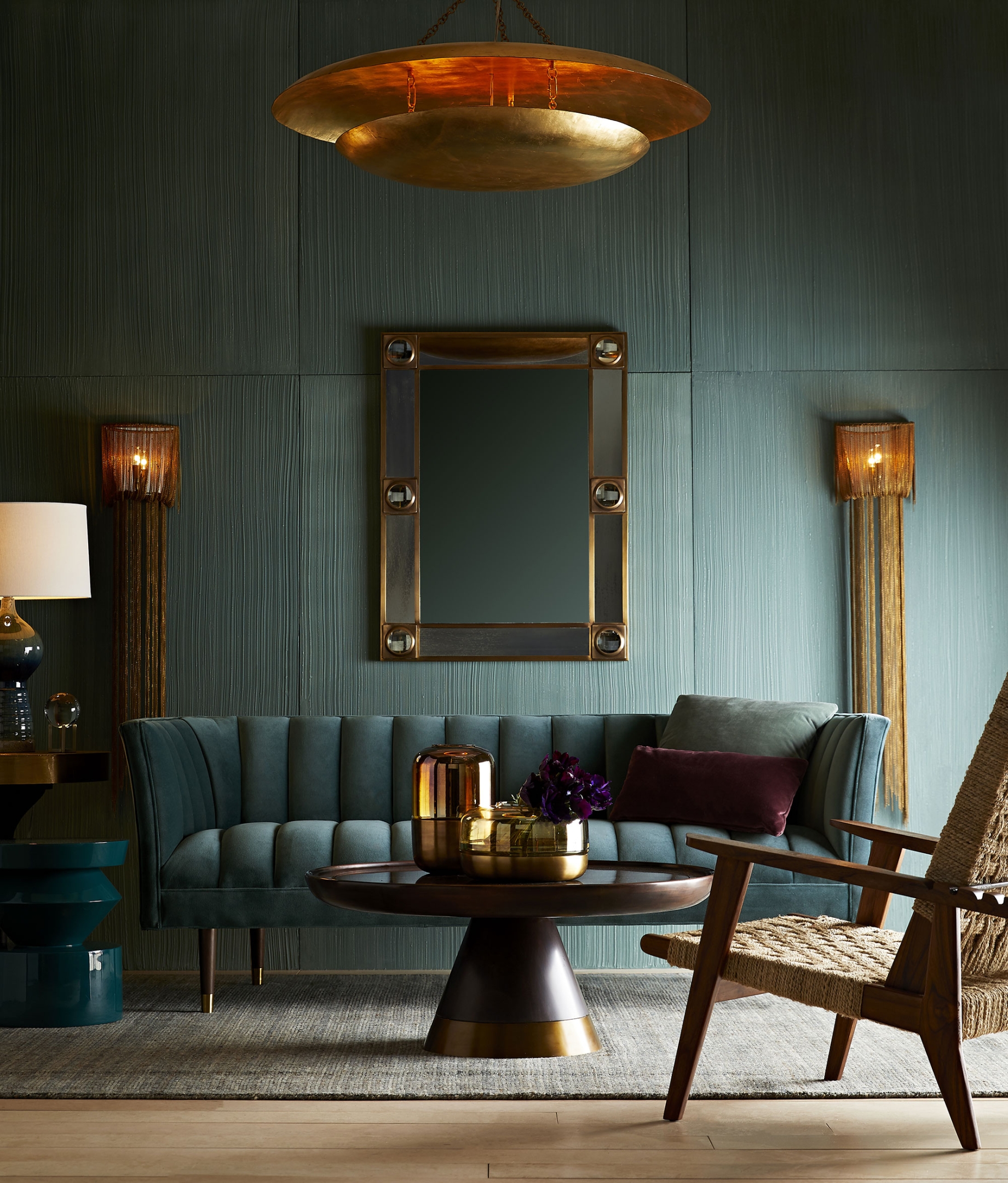
A coffee table does more than provide a place to set down a drink. It helps define your seating arrangement, introduces another layer of texture, and influences how comfortably you move through your living room. Choosing a coffee table means considering its relationship to the furniture around it, along with how you use the space.
Whether you are furnishing an entire room or replacing one piece, the right coffee table can make your living area feel more balanced and thoughtfully put together.
Start with the Size of Your Seating
A coffee table should feel proportionate to the sofa and chairs surrounding it. A table that is too small can look disconnected from the seating, while an oversized piece can make the room difficult to navigate.
For a standard sofa, a useful starting point is a coffee table approximately one-half to two-thirds of the sofa’s length. Treat this as a guide rather than a strict rule. The sofa’s depth, the surrounding chairs, and the room’s layout all influence the right fit.
Sectionals require a slightly different approach. Consider the open area within the seating arrangement, especially when a chaise extends into the room. Measure that space before selecting a table so it remains accessible from the seats you use most.
Before purchasing, mark the table’s footprint on the floor with painter’s tape. This makes it easier to picture its size and check the paths around it.
Choose a Shape That Supports Your Layout
The shape of your coffee table affects both the appearance and function of your room.
Rectangular Coffee Tables
A rectangular table often works well with a longer sofa or a seating arrangement that stretches across the room. Its elongated surface can keep drinks and other essentials within reach of several seats.
Round Coffee Tables
A round table introduces curves into a room with straight-lined furniture. Its shape can make it easier to move around in a compact seating area, although the diameter still needs to suit the available space.
Square Coffee Tables
A square table can complement a spacious sectional or a balanced arrangement of sofas and chairs. It provides a generous surface, so check that everyone can move comfortably around it.
Oval Coffee Tables
An oval table combines an elongated surface with rounded ends. It can be a useful option when you want the reach of a rectangular table with a softer outline.
Pay Attention to Height and Placement
Height is easy to overlook when choosing a coffee table, but it makes a noticeable difference in everyday comfort. A table close to the height of your sofa’s seat cushion, or slightly lower, is generally a comfortable starting point.
Consider the actual seat height rather than the height of the sofa’s arms or back. A low, deep sofa may call for a different table than a more upright seating style.
As an initial placement guide, allow approximately 14 to 18 inches between the table and the seating. Adjust that distance to suit your furniture and household. You should be able to reach the surface without making it difficult to sit down or stand up.
Leave additional room wherever people regularly walk through the space.
Select a Material That Works for Your Home
The tabletop material adds character and determines how you care for the piece.
Wood can bring warmth and natural variation to a room. Its appearance ranges from smooth and polished to textured and rustic, making the finish just as important as the material itself.
Glass can help a table feel visually lighter and allow more of the rug beneath it to show. Keep in mind that fingerprints and everyday marks may be more noticeable.
Stone introduces distinctive color and pattern. Care requirements vary by stone and finish, so ask about sealing, cleaning, and protection before making a selection.
Metal can add a crisp detail or a sculptural element, whether used for the entire table or just the base.
Think about your daily habits, too. A table used for snacks, games, and frequent entertaining may need different features than one used mainly for decorative objects.
Balance the Visual Weight of the Room
Two coffee tables with the same dimensions can have very different effects.
A solid pedestal table can feel substantial and grounded. A table with slender legs and an open base may feel lighter. If your sofa and chairs are generously upholstered, a more open table can introduce breathing room. In an airy seating arrangement, a substantial table can provide a useful anchor.
The coffee table does not need to match every other wood finish or metal in the room. Look for a connection through tone, shape, or detail so the pieces feel related without becoming repetitive.
Consider Storage and Flexibility
Before deciding on a style, think about what you want the table to hold.
A lower shelf offers space for books or baskets, while drawers can keep remotes and smaller items out of sight. Nesting tables provide surfaces you can rearrange when guests visit.
An upholstered ottoman may also suit a room where putting your feet up is a priority. If you plan to use it for drinks, consider how a stable tray will fit on the surface.
Choose features that make your room easier to use rather than adding storage you do not need.
Find the Right Coffee Table at Birmingham Design Studio
The best coffee table feels connected to your furniture, comfortable to use, and appropriate for the way you live. Considering size, shape, height, and materials together can help you choose a piece that contributes to the entire room.
At Birmingham Design Studio in Birmingham, Michigan, we can help you find a coffee table that complements your seating and brings your living space together. Visit our showroom to explore furniture and design options for your home.

 Kristi Karimpour and her husband Kamran founded Birmingham Design Studio over three decades ago. Their goal was to establish a full-service interior design studio that would cater to the diverse needs of clients seeking sophisticated and timeless designs in the heart of Birmingham, Michigan. From the beginning, Kristi’s vision was clear – to create interiors that would not only reflect her clients’ personalities and lifestyles but also stand the test of time.